
Hearing technology has been on a tear lately. If you’ve been dealing with hearing loss for a while, you’ve probably noticed that the devices available today barely resemble what was on the market just five years ago. This year alone brought changes that seemed impossible not long ago.
We’re talking about devices that learn your habits, batteries that last all day without thinking about them, and sound quality that actually helps you hear better in noisy places instead of just making everything louder. Let’s dig into what happened in 2025 and why it matters if you’re struggling to hear clearly.
Over-the-Counter Options Finally Deliver
The OTC hearing aid market started rough a few years back. Early models were clunky, limited, and honestly not that impressive. But 2025? That’s when things got interesting. Major tech companies released genuinely capable devices with proper noise management, app controls that actually make sense, and streaming features that work reliably.
There’s a big caveat here, though. These work great if you have mild or moderate hearing loss and you know what you’re doing with them. But here’s what most people don’t realize until they try: programming these things yourself is harder than it looks. You might get 70% of the way there and think it’s fine, not knowing what you’re missing. Working with a good audiologist, like the experts at Associated Hearing, can often get you to 95% or better because they know what to listen for and how to adjust for your specific hearing pattern.
AI That Actually Learns From You
This is where things get really interesting. The newest hearing aids don’t just process sound, they pay attention to what you do with them. They track where you struggle (crowded restaurants are a big one for most people), what adjustments you make manually, and how you react in different environments.
Give them a few weeks and they start making smart guesses. Your hearing aids remember that you always turn up the volume at church but need different settings at your book club. They notice you boost certain frequencies when your grandkids visit. All of this happens in the background without you doing anything.
The technology essentially anticipates your needs based on patterns in your listening habits. It’s a significant step up from older models that required manual adjustments every time your environment changed.
No More Tiny Batteries
Thank goodness. The era of wrestling with those impossibly small button batteries is basically over. Pretty much every manufacturer now makes rechargeable models as their main offering, not some expensive upgrade. Current batteries last a full day easily, sometimes longer, and the charging cases are actually well designed.
The better ones include little extras like UV cleaning while they charge, or the ability to charge your hearing aids on the go if you forgot to plug them in overnight. Some will even send your phone a notification when the battery gets low. Small stuff, but it adds up to one less annoying thing in your daily routine.
Smaller Than You Think
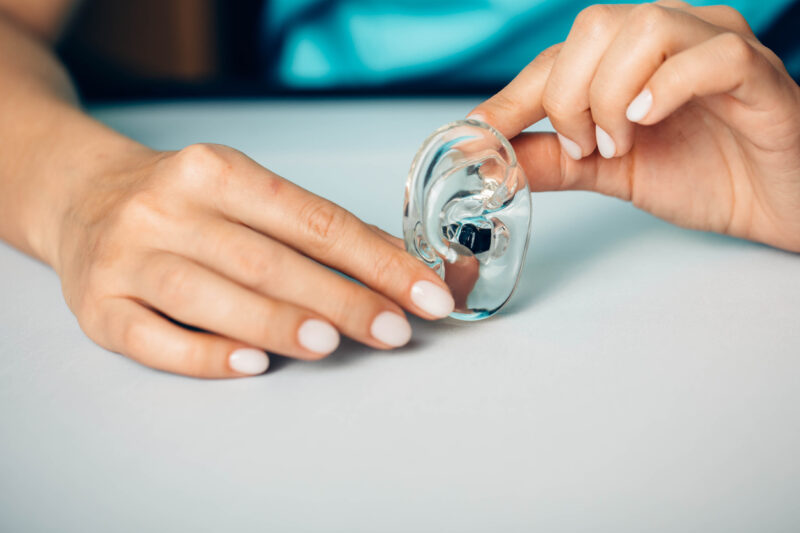
Worried about how hearing aids look? The completely-in-canal models available now are remarkably tiny. We’re talking about devices that sit entirely inside your ear canal where nobody can see them. What’s surprising is that these little devices still pack in directional microphones, wireless connections, and sophisticated sound processing.
The manufacturing has gotten so precise that they can cram in features that used to require much larger devices. For many people throughout the greater New Orleans area and beyond, the aesthetic improvements have removed a major barrier to getting help.
Tinnitus Relief Gets Smarter
If you deal with that constant ringing or buzzing (and about 15% of Americans do), this year brought some real improvements. The tinnitus therapy programs in modern hearing aids can be tuned very specifically to your particular frequency of tinnitus. Instead of just playing generic masking sounds, they can target exactly what you’re experiencing.
The clever part is how some devices combine regular hearing amplification with tinnitus therapy in a way that doesn’t feel artificial. They boost environmental sounds in frequencies that naturally provide relief. So you’re not hearing added sounds, you’re just hearing the world around you in a way that happens to reduce your tinnitus. It’s subtle, but effective.
Everything Connects Now
Bluetooth streaming from your phone is old hat at this point. What’s different in 2025 is how much else your hearing aids can connect without any fiddling around. Your TV streams directly to them. Video calls come through crystal clear, often better than with regular earbuds. Some models even link up with your smart home so you’ll never miss the doorbell or a smoke alarm.
Walk into a movie theater or church with a modern assistive listening system and your hearing aids automatically connect. No adapters, no pressing buttons, no asking someone for help. They just work.
Your Hearing Aids as Health Monitors
This one’s still emerging, but it’s pretty cool. Hearing aids sit in your ear all day anyway, which turns out to be a decent spot to monitor other aspects of your health. Several companies added sensors this year that track your activity levels, can detect if you’ve fallen, and even watch for certain cognitive health markers.
One system can alert your family if you fall and don’t get back up. These features are fairly basic right now, but give it another year or two and hearing aids might become genuine health monitoring devices that happen to also help you hear better.
What Changed and Why You Should Care
All of these improvements point in the same direction: hearing aids that fit into your life instead of making you work around them. Better sound, less hassle, smarter adjustments. But the technology is only half the equation.
You can buy the most advanced hearing aids available and still end up disappointed if they’re not fitted correctly or programmed for your specific type of hearing loss. That’s the piece that people often underestimate. The real value comes from working with professionals who know how to test your hearing thoroughly, match you with the right technology for your situation, and then fine-tune everything until it works the way it should.
If you’ve been putting this off, or if your current hearing aids are more than three years old, you’re missing out on substantial improvements. The jump in quality from older models to what’s available now is significant.
Don’t Wait Another Year
The team at Associated Hearing knows these technologies inside and out. They can walk you through what’s actually worth paying for versus what’s just marketing hype, and they’ll make sure whatever you end up with is properly configured for your needs.
Stop struggling through conversations or turning the TV up so loud everyone else complains. Contact us today and find out what current hearing technology can actually do for you. You might just be surprised.