
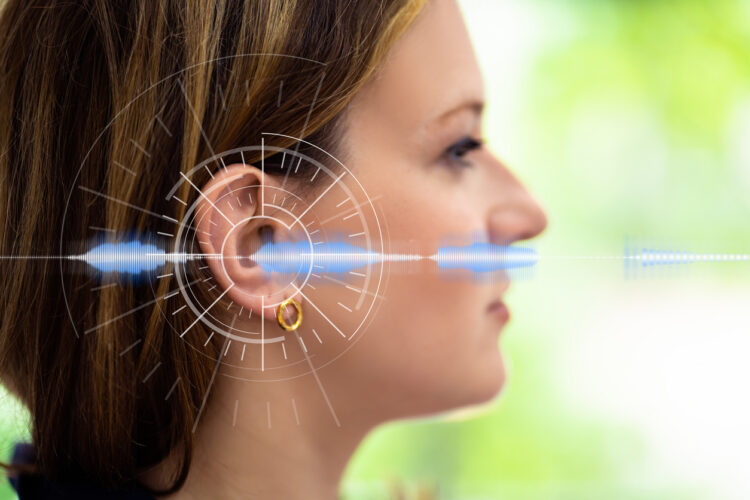
Artificial intelligence is showing up everywhere these days. Your phone uses it. Your car may have it. And now, hearing aids are using it, too.
But what does that actually mean for someone who struggles to hear? Is AI just a fancy marketing term, or does it make a real difference?
The short answer: it can genuinely help. AI changes how hearing aids process sound, making conversations clearer and reducing the exhausting mental work of trying to hear in noisy places.
The Old Problem with Hearing Aids
Traditional hearing aids had one basic job: make sounds louder.
That sounds simple enough, except it created problems. When you amplify everything, you don’t just boost voices. You also amplify background noises, dishes clattering, air conditioners humming, traffic roaring past.
Anyone who’s tried having a conversation at a busy restaurant around Old Metairie knows how hard it gets when you’re competing with all of that noise. Regular hearing aids made that worse, not better.
How AI Changes Things
AI-powered hearing aids work smarter. They analyze the sounds around you constantly and make decisions about what to amplify and what to reduce.
Here’s a real example. Imagine you’re at a family dinner. Multiple conversations happening, dishes clinking, kids talking, maybe a TV in the background. Old hearing aids amplified all of it equally. AI hearing aids identify the voice of the person speaking to you and boost that while lowering everything else.
This happens automatically. You’re not pressing buttons or fiddling with controls. The technology figures it out. The technology continuously learns which environments and settings work best for you, getting more personalized the longer you wear the devices.
The Learning Part
These devices get better the longer you use them.
Every time you adjust something (turning up the volume at a restaurant, changing settings at church), the hearing aid remembers. It notes where you were, what the sound environment was like, and what adjustments you made.
Next time you’re in a similar situation, it applies those preferences automatically. Visit the same restaurant near Langenstein’s every week? By the third visit, your hearing aids already know how to handle that environment.
This personalization happens gradually. The AI isn’t trying to guess what you want from day one. It learns from your actual behavior over weeks and months.
What Gets Better
People who switch to AI hearing aids report some consistent improvements.
First, conversations in noisy environments become manageable again. The technology excels at separating speech from background sound. Restaurants, parties, community events – places that used to be exhausting become easier to navigate.
Second, you feel less tired. Hearing loss makes your brain work overtime trying to fill in missing information and filter out noise. When AI handles more of that processing, you expend less mental energy. This means you’re much less drained at the end of a busy social day than before.
Third, sound quality improves. AI processing creates a more balanced, natural sound compared to older amplification technology. Things don’t sound as “tinny” or artificial.
Not All AI is the Same
While the term “AI” gets used quite frequently, it’s important to remember that not all technologies work the same or provide the same results.
Most hearing aids use what’s called AI-trained technology. During development, manufacturers feed millions of sound samples into their systems. The AI learns patterns and creates smarter noise reduction programs. But once those programs are installed in your hearing aids, the AI isn’t actively running. You’re using the results of AI training, not real-time AI processing.
A few premium models do process AI continuously while you wear them, however. These have dedicated computer chips just for the AI processing. These devices analyze your sound environment second-by-second and adjust accordingly. This technology exists but costs more and uses battery power faster.
Are AI Hearing Aids Right for Your Situation?
AI-enabled hearing aids make the most difference if you:
- Spend time in varied environments (not just at home)
- Attend social gatherings, family events, religious services
- Struggle most in noisy places like restaurants
- Feel exhausted from the effort of listening
- Want devices that adjust automatically
AI benefits are less impactful if you mostly stay in quiet settings. Simpler technology might work fine and cost considerably less.
Starting the Conversation
If AI hearing aids sound promising, the first step is getting your hearing properly evaluated.
At Associated Hearing, we start with comprehensive testing and professional fitting to understand your specific hearing loss. Then we talk about your daily life. Where do you go? What situations frustrate you? What would make the biggest difference?
Those answers guide our recommendations. We’re not trying to sell you the most expensive technology. We’re trying to match you with what actually fits your needs.
If AI devices seem appropriate, we can demonstrate them. You’ll get to hear the difference for yourself in varied sound environments. Most people notice improved clarity immediately, particularly when background noise is present.
New to hearing aids? Our comprehensive guide walks through everything you need to know about getting your first pair.
What’s Next for This Technology
AI in hearing aids keeps advancing. Recent hearing aid advancements show impressive progress and promise. Future devices will probably recognize individual voices automatically and adjust for them. Voice control will likely replace physical buttons entirely. Location-based settings might activate automatically when you arrive at familiar places.
These improvements will make hearing aids work more intuitively and require less effort from users.
Schedule Your Hearing Evaluation
We’ve worked with Metairie and Covington communities for more than 40 years. Our audiologists stay current on hearing technology so we can offer effective solutions.
We take our time with every patient. We focus on understanding your specific challenges, explaining your options clearly, and finding what works best for your lifestyle and needs.
If you’re curious whether AI-powered hearing aids could help, contact one of our conveniently located offices in Metairie or Covington today. We’ll evaluate your hearing and walk through what makes the most sense for you.